

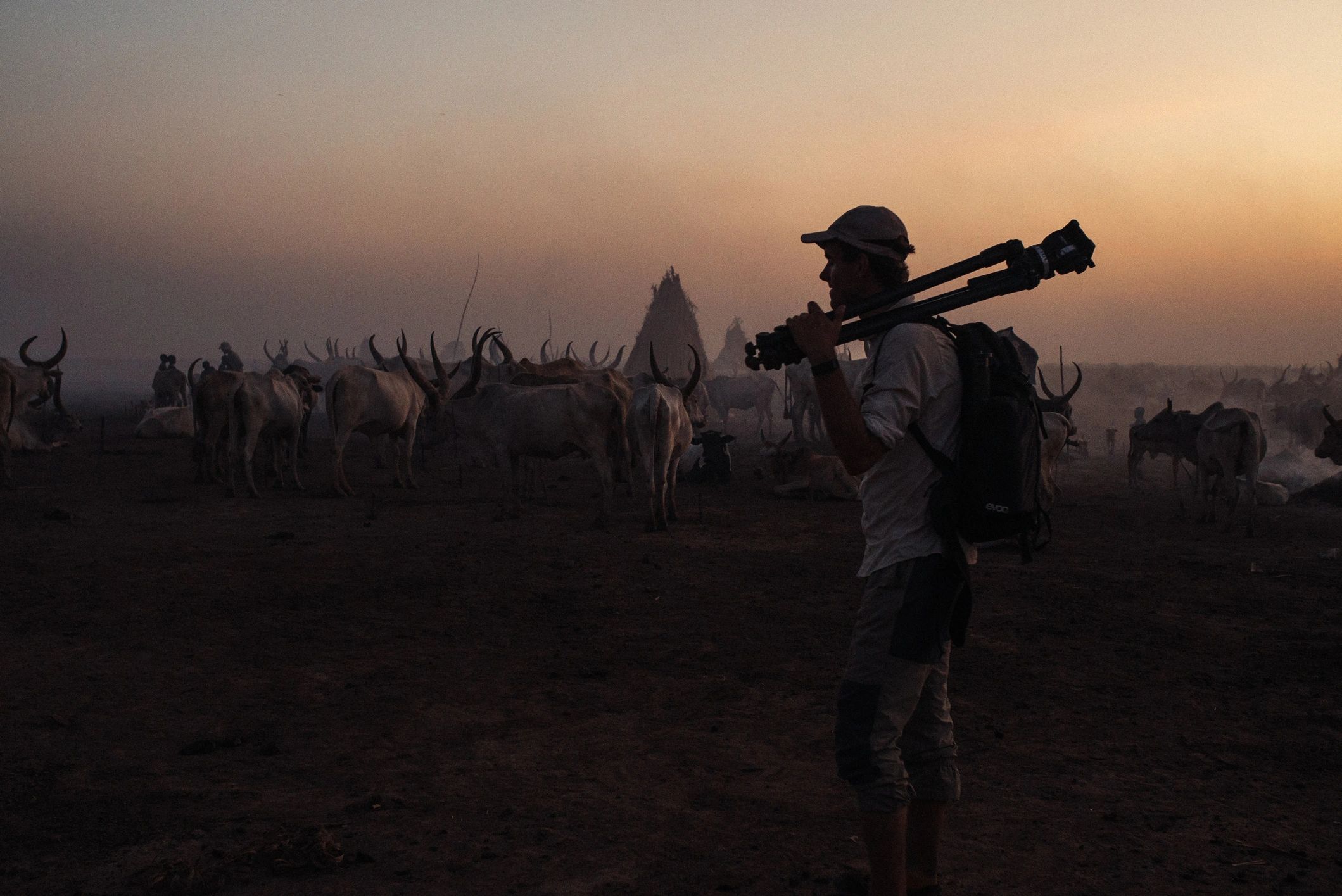
From Idea to Premiere: The Journey Every Story Must Take
Every great film begins with a single spark—an idea that refuses to be ignored. But turning that inspiration into a finished project demands far more than passion; it requires navigating a dynamic pathway of creative decisions, technical execution, and strategic planning. For filmmakers in Southern California and beyond, the journey from script to screen is both an art and a science, shaped by vision, collaboration, and craft.
This process unfolds in distinct phases: development, where concepts take shape and scripts are refined; pre-production, when casting, locations, and shot lists are locked in; production, the intense period of filming that brings the story to life; and post-production, where editing, sound design, and color grading transform raw footage into a cohesive narrative. Each stage presents unique challenges—from aligning visual tone with emotional beats to ensuring continuity across scenes shot days apart.
In creative hubs like Manhattan Beach and Los Angeles, success often comes down to meticulous planning and adaptive problem-solving. Whether you’re working with independent budgets or producing corporate storytelling content, understanding these milestones helps you anticipate roadblocks, optimize resources, and maintain creative control.
In this guide, you’ll discover how to:
- Turn abstract ideas into structured screenplays with clear narrative arcs
- Build shot lists that serve both story and logistics
- Leverage lighting and camera techniques to enhance mood
- Streamline editing workflows for maximum impact
Mastering this journey isn’t about avoiding obstacles—it’s about knowing how to move through them with purpose.
Laying the Groundwork: Mastering Pre-Production for Compelling Films
Before a single frame is shot, the foundation of every successful film is built during pre-production. This critical phase transforms raw ideas into actionable plans, ensuring that creative vision aligns seamlessly with logistical execution. For aspiring filmmakers in Los Angeles, Manhattan Beach, and across Southern California, mastering pre-production means turning inspiration into a structured roadmap that guides every department—from casting to cinematography.
Start with concept development, where you define your story’s core theme, audience, and emotional intent. Ask: What message must viewers walk away with? Once the concept is solidified, move into scriptwriting, focusing not just on dialogue but on visual storytelling. A strong script uses action lines and scene descriptions to paint a vivid picture, making it easier to translate to screen.
Next, develop a detailed production plan that includes shot lists, storyboards, location scouting, and scheduling. Break down each scene to identify resource needs, helping prevent costly delays. Use mood boards to align your team on tone, color palettes, and lighting—especially important when capturing the distinct coastal aesthetics of California.
Finally, assemble your crew early and foster collaborative communication. Pre-production is not just about preparation—it’s about alignment. When every team member understands the vision, the transition into production becomes smoother, more efficient, and creatively unified.
Directing with Precision: A Step-by-Step Guide to On-Set Excellence
Executing a successful shoot requires meticulous coordination between direction, cinematography, and sound. Follow this actionable roadmap to streamline your on-set process and maximize production value, whether filming in Manhattan Beach or on location across Southern California.
Rehearse Before Rolling
Walk through each scene with actors and key crew to align on blocking, timing, and emotional tone. Clear communication between director and director of photography (DP) ensures camera movements match performance pacing.Lock Camera Composition and Movement
Use storyboards and shot lists to pre-visualize each frame. Apply cinematic techniques—such as dolly-ins for emotional reveals or wide shots for context—while maintaining visual continuity. Ensure the camera operator, focus puller, and grip team are synchronized.Prioritize Lighting for Mood and Clarity
Collaborate with your gaffer to shape lighting that supports the narrative. Use three-point lighting for interviews, and motivated lighting (sunlight, lamps) for realism in narrative scenes. In outdoor shoots, leverage golden hour for natural warmth.Capture Clean, Isolated Audio
Deploy boom operators with directional mics just outside the frame, and use lavaliers as a backup. Monitor sound through headphones and record room tone for editing flexibility. Minimize background noise by coordinating with the AD team on set quiet.Verify Each Take with Playback and Slate Management
Review takes for performance, framing, and audio sync. Use a clapperboard or digital slate to maintain organized media logs for post-production.
Pro tip: Conduct quick team huddles between setups to address issues and maintain momentum. Consistent workflow leads to consistent storytelling.
The Final Cut: Mastering Post-Production for Impactful Storytelling
After the cameras stop rolling, the real magic of filmmaking begins in post-production. This critical phase transforms raw footage into a cohesive, emotionally resonant story that connects with audiences. Editing, color grading, sound design, and final output work together to elevate your narrative—whether you’re crafting an independent film or a corporate video for clients in Manhattan Beach, Los Angeles, or beyond.
Begin with editing, where structure and pacing define the story’s rhythm. Organize your sequences to follow a clear narrative arc: setup, conflict, resolution. Use J-cuts, L-cuts, and pacing techniques to maintain momentum and emotional engagement. Cut out excess footage—every shot should serve the story.
Next, color grading sets the tone. Apply consistent color palettes to evoke mood—warmer tones for intimacy, cooler hues for detachment. Use scopes and reference monitors to ensure accuracy across viewing devices, especially when delivering content for digital platforms popular in Southern California markets.
Sound design is equally vital. Layer dialogue, ambient noise, and sound effects to create depth. Use music strategically to underscore emotional beats without overpowering the visuals.
Finally, prepare your final output by selecting the correct resolution, codec, and container format based on delivery needs—be it festival submission, streaming platforms, or client presentations. Always perform a quality control check on multiple screens before delivery.
5 Essential Filmmaking Skills You Can’t Afford to Skip
Breaking into the film industry isn’t just about having a great idea—it’s about having the right skills to bring that idea to life. Whether you’re shooting indie projects in Los Angeles or crafting branded content for clients across Southern California, mastering these five core competencies will set you apart from the crowd.
1. Story Development and Narrative Structure
A compelling script starts with a strong story spine—setup, conflict, and resolution. Aspiring filmmakers must learn to structure narratives that hook audiences early and maintain momentum. Focus on character arcs, emotional beats, and pacing. Whether you’re developing a short film or a commercial spot, clarity in storytelling ensures viewers stay engaged from opening shot to final frame.
2. Visual Composition and Cinematography
Your camera is your voice. Understanding framing, depth of field, and lens choice allows you to convey mood and meaning without dialogue. Master techniques like the rule of thirds, leading lines, and motivated lighting to create visually dynamic scenes that support your narrative, especially when filming on location in diverse environments like coastal bluffs or urban downtowns.
3. Sound Design and Audio Mastery
Great visuals falter without clean audio. Learn to record clear dialogue on set, use ambient sound effectively, and mix levels in post. Poor audio is one of the fastest ways to break immersion—invest time in mastering boom operation, lavalier placement, and noise reduction workflows.
4. Editing and Pacing Intuition
Editing isn’t just cutting clips—it’s shaping time and emotion. Develop a sense for rhythm, continuity, and montage theory. Whether using J-cuts, L-cuts, or match transitions, your edit should feel invisible yet intentional, guiding the viewer’s emotional journey without drawing attention to itself.
5. Collaboration and Leadership on Set
Filmmaking is inherently collaborative. Hone your ability to direct talent, communicate with crew, and adapt under pressure. Strong leadership fosters trust, efficiency, and creativity—essential when managing shoots in fast-paced or resource-limited conditions.
Breaking Into the Industry: Your Filmmaking FAQs Answered
How do I start a career in filmmaking without formal education?
You don’t need a film school degree to begin—many successful filmmakers are self-taught. Start by mastering foundational skills: shot composition, lighting, and editing. Use accessible tools like smartphones and free editing software to create short films or reels. Study work from creators in creative centers like Los Angeles or Manhattan Beach to understand visual language. Practice consistently, and treat every project as a learning experience.
What should my filmmaking portfolio include?
Your portfolio should showcase range and vision. Include 3–5 strong pieces that highlight different genres or techniques—such as narrative shorts, documentaries, or branded content. Add behind-the-scenes stills, storyboards, or director’s statements to demonstrate your process. Tailor the portfolio to the type of work you want, whether it’s corporate storytelling in Southern California or indie film festivals.
How can I find filmmaking opportunities locally?
Engage with local creative communities. Attend industry mixers, film screenings, or workshops in cities like Los Angeles or Austin. Join online forums and Facebook groups focused on regional production. Volunteer on local sets to build relationships. Many entry-level roles come through word-of-mouth, so visibility is key.
Is networking really that important in filmmaking?
Absolutely. Filmmaking is a relationship-driven industry. Build authentic connections by collaborating on passion projects, crediting teammates, and staying in touch. A strong network can lead to referrals, mentorship, and job opportunities—even on larger productions based in high-demand markets.
How do I gain experience when no one will hire me?
Create your own opportunities. Write and shoot your own scripts, partner with fellow creators, or offer services to small businesses needing promotional content. Real-world experience—even on low-budget sets—builds credibility faster than waiting for permission.
Should I specialize early or stay generalist?
Early on, explore multiple roles—director, editor, cinematographer—to discover your strengths. Once you identify a path, deepen those skills. Specialization helps you stand out, especially in competitive markets where niches like drone cinematography or color grading are in demand.
The Journey Forward: Why Your Story Matters
Every frame you shoot, every edit you make, and every story you tell is a step forward in a larger creative evolution. From concept to screen, the path of a filmmaker is rarely linear—it’s filled with revisions, setbacks, and moments of doubt. Yet it’s precisely these challenges that shape not only your project but your voice as a storyteller. Whether you’re crafting a short film in Manhattan Beach or producing branded content for audiences across Southern California, the core truth remains: storytelling thrives on persistence and purpose.
The tools, techniques, and strategies covered in this guide are more than production steps—they’re mindset shifts. When you approach visual storytelling with intention, every decision serves the narrative. You don’t need a big budget to create impact; you need clarity of message, emotional authenticity, and a deep connection to your audience.
To move forward:
- Revisit your past projects—identify what worked and where you can grow
- Set small, creative goals—like completing a 90-second story using only visuals
- Seek feedback from trusted peers in your local creative community
- Stay grounded in your why—let passion guide you through technical hurdles
The screen is waiting for your story. Keep creating, keep refining, and never underestimate the power of your unique perspective.